
Digital Marketing versus Affiliate Marketing
Table of Contents
Digital Marketing versus Affiliate Marketing: A Complete Guide by Ecstatic Minds
Digital Marketing versus Affiliate Marketing: In today’s fast-moving digital economy, businesses and individuals are constantly searching for the most effective way to grow online. Two of the most talked-about approaches are digital marketing and affiliate marketing. While both operate in the digital space and aim to drive revenue, they are fundamentally different in structure, strategy, control, and long-term impact.
For businesses in Nepal and beyond, choosing between digital marketing and affiliate marketing can feel confusing. Many entrepreneurs hear success stories about affiliate income, while companies lean toward digital marketing for brand growth. The truth is, each approach serves different goals, audiences, and business models.
At Ecstatic Minds, we believe informed decisions create sustainable success. This in-depth guide explores digital marketing versus affiliate marketing in detail—how they work, their advantages, challenges, costs, scalability, and which one is right for your goals.
Understanding Digital Marketing
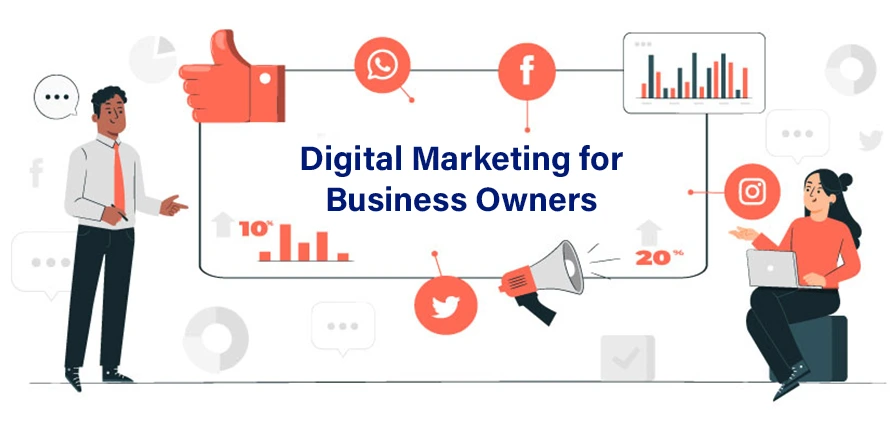
Digital marketing is a comprehensive strategy that uses online channels to promote a brand, product, or service directly to a target audience. It focuses on building visibility, trust, engagement, and conversions through owned and paid digital assets.
Digital marketing is not a single tactic. It is an ecosystem of strategies designed to support long-term business growth.
Core Components of Digital Marketing
Digital marketing includes multiple interconnected elements:
- Social media marketing
- Search engine optimization
- Content marketing
- Paid advertising
- Email marketing
- Video marketing
- Analytics and optimization
Each component works together to create a strong digital presence and guide customers through the buying journey.
The Goal of Digital Marketing
The primary goal of digital marketing is brand growth and customer acquisition. Businesses control the messaging, audience targeting, creative direction, and customer experience. This control allows companies to build authority, loyalty, and long-term value.
Digital marketing is particularly effective for businesses that want to own their audience, data, and brand narrative.
Understanding Affiliate Marketing
Affiliate marketing is a performance-based marketing model where individuals or publishers promote another company’s products or services. Affiliates earn a commission when a sale, lead, or action is completed through their referral.
In affiliate marketing, the affiliate does not own the product or brand. They act as a promoter or middleman.
How Affiliate Marketing Works
The process typically follows these steps:
- A business creates an affiliate program
- Affiliates sign up to promote the product
- Affiliates share referral links or content
- Users make purchases through those links
- Affiliates earn commissions
Affiliate marketing relies heavily on content creation, traffic generation, and persuasion.
The Goal of Affiliate Marketing
The main goal of affiliate marketing is earning commission income. Affiliates focus on driving conversions rather than building a brand identity of their own. Success depends on traffic quality, audience trust, and conversion optimization.
Affiliate marketing is often popular among bloggers, influencers, and digital entrepreneurs.
Digital Marketing versus Affiliate Marketing: Core Differences
Although both operate online, digital marketing and affiliate marketing differ in several fundamental ways.
Ownership and Control
Digital marketing gives businesses full ownership of their brand, audience, and data. Companies decide how they communicate, who they target, and how customers experience the brand.
Affiliate marketers do not own the product or brand. They rely on the merchant’s rules, commission structure, and platform stability. Any change in the affiliate program can directly impact income.
Brand Building
Digital marketing focuses heavily on brand building. Over time, strong branding increases trust, recognition, and customer loyalty.
Affiliate marketing rarely builds long-term brand equity for the affiliate. While affiliates may build personal authority, the product brand remains the merchant’s asset.
Revenue Structure
Digital marketing revenue comes directly from product or service sales, leads, or long-term customer value. Businesses benefit from repeat customers and lifetime value.
Affiliate marketing revenue is commission-based. Earnings depend on conversion rates and commission percentages, which are usually fixed by the merchant.
Risk Distribution
Digital marketing carries higher upfront investment but offers greater long-term stability. Businesses absorb marketing risks but also retain all rewards.
Affiliate marketing has lower entry costs but higher dependency risk. Affiliates depend on platforms, algorithms, and affiliate program policies.

Cost Comparison: Digital Marketing versus Affiliate Marketing
Cost of Digital Marketing
Digital marketing requires investment in:
- Strategy development
- Content creation
- Advertising budgets
- Tools and analytics
- Professional expertise
While costs can be higher initially, digital marketing creates compounding returns. A strong digital presence continues to generate leads and sales over time.
Cost of Affiliate Marketing
Affiliate marketing has lower startup costs. Affiliates typically invest in:
- Website or content platforms
- Traffic generation
- Content production
- Basic tools
However, scaling affiliate income often requires paid traffic or significant time investment. Earnings can fluctuate unpredictably.
Scalability and Growth Potential
Digital Marketing Scalability
Digital marketing scales with business growth. As brand authority increases, customer acquisition becomes more efficient. Businesses can expand into new markets, launch new products, and diversify channels.
Digital marketing also supports automation, customer retention, and data-driven optimization.
Affiliate Marketing Scalability
Affiliate marketing can scale quickly with viral content or paid ads. However, scalability is limited by commission structures and competition.
Affiliates face saturation in popular niches, making long-term scaling more challenging without diversification.
Audience Relationship and Trust
Digital Marketing Relationships
Digital marketing prioritizes direct relationships with customers. Businesses communicate through social media, email, content, and customer support.
This relationship builds trust, loyalty, and repeat purchases. Customer feedback directly improves products and services.
Affiliate Marketing Relationships
Affiliates build trust primarily through content and recommendations. However, the final relationship belongs to the merchant.
If the merchant fails to deliver quality, the affiliate’s reputation can suffer without control over the outcome.
Digital Marketing in the Nepali Context
In Nepal, digital marketing has grown rapidly due to increased internet access and smartphone usage. Businesses across industries now rely on digital channels for growth.
Why Digital Marketing Works in Nepal
- High social media engagement
- Growing e-commerce adoption
- Cost-effective local targeting
- Strong word-of-mouth amplification
Digital marketing allows Nepali businesses to compete nationally and internationally.
Industries Benefiting Most
Retail, education, tourism, real estate, healthcare, and service businesses benefit significantly from digital marketing in Nepal.
Ecstatic Minds helps brands navigate local culture, language preferences, and consumer behavior for effective campaigns.
Affiliate Marketing in Nepal
Affiliate marketing in Nepal is still emerging but growing steadily. Many individuals explore affiliate income through global platforms and content creation.
Opportunities
- Low barrier to entry
- Global earning potential
- Flexible work structure
Challenges
- Limited local affiliate programs
- Payment and tracking issues
- Platform dependency
- Audience trust development
Affiliate marketing requires patience, consistency, and adaptability in the Nepali market.
Long-Term Sustainability
Digital Marketing Sustainability
Digital marketing creates long-term assets such as brand reputation, content libraries, customer data, and loyal audiences. These assets grow in value over time.
Businesses that invest consistently in digital marketing build resilience against market changes.
Affiliate Marketing Sustainability
Affiliate marketing income can be unstable. Changes in algorithms, commissions, or policies can disrupt earnings overnight.
Sustainable affiliate success often requires diversification across platforms and niches.
Skills Required for Each Model
Digital Marketing Skills
Digital marketing requires a blend of creative and analytical skills:
- Strategy planning
- Content creation
- Advertising optimization
- Data analysis
- Customer psychology
Agencies like Ecstatic Minds provide expertise to help businesses succeed faster.
Affiliate Marketing Skills
Affiliate marketers need skills in:
- Content marketing
- SEO or traffic generation
- Conversion optimization
- Audience trust building
Success depends heavily on personal discipline and learning adaptability.
Digital Marketing versus Affiliate Marketing for Businesses
For businesses, digital marketing is almost always the better choice. It provides full control, brand equity, and long-term value.
Affiliate marketing is better suited as a supplementary channel, where affiliates help expand reach without direct management.
Ecstatic Minds often integrates affiliate strategies into broader digital marketing campaigns when appropriate.
Digital Marketing versus Affiliate Marketing for Individuals
For individuals, affiliate marketing can be a starting point for online income. It requires less capital and offers flexibility.
However, individuals who build personal brands through digital marketing often achieve more sustainable growth and authority.
Measuring Success
Digital Marketing Metrics
Success is measured using:
- Brand reach
- Engagement
- Leads
- Conversions
- Customer lifetime value
These metrics help refine strategies and improve ROI.
Affiliate Marketing Metrics
Affiliate success is measured by:
- Click-through rates
- Conversion rates
- Commission earnings
- Traffic growth
Earnings volatility is common in affiliate marketing.
Combining Digital Marketing and Affiliate Marketing
In many cases, the best approach is not choosing one over the other, but understanding how they complement each other.
Businesses can use digital marketing to build their brand and affiliate marketing to expand distribution. Affiliates can use digital marketing skills to grow their platforms.
Ecstatic Minds helps clients design hybrid strategies that align with business goals.
Common Myths About Digital Marketing and Affiliate Marketing
Many people believe affiliate marketing is easier or faster. In reality, both require strategy, consistency, and patience.
Digital marketing is sometimes seen as expensive, but poor strategy—not cost—is the real problem.
Understanding the reality helps set realistic expectations.
The Ecstatic Minds Perspective
At Ecstatic Minds, we view digital marketing as a long-term investment in brand growth and business sustainability. While affiliate marketing has its place, it rarely replaces the power of a strong digital presence.
We help businesses choose strategies that align with their vision, market, and resources.
Which One Should You Choose?
Choose digital marketing if you want:
- Brand ownership
- Long-term growth
- Customer relationships
- Business scalability
Choose affiliate marketing if you want:
- Flexible income opportunities
- Low initial investment
- Performance-based earnings
Your choice should align with your goals, resources, and risk tolerance.
Final Thoughts
Digital marketing versus affiliate marketing is not about which is better universally, but which is better for your situation. Digital marketing builds brands, authority, and sustainable businesses. Affiliate marketing offers opportunity, flexibility, and performance-based income.
For businesses in Nepal, digital marketing remains the foundation of long-term success. For individuals, affiliate marketing can be a stepping stone toward digital entrepreneurship.
With the right strategy and guidance, both paths can lead to growth. At Ecstatic Minds, we believe clarity, strategy, and execution make all the difference.
Contact Details
+977-9840051811
info@ecstaticminds.com
+977-9840051811
Lazimpat-02 Kathmandu Nepal
Faqs on
1. What is digital marketing?
Digital marketing is the use of online channels to promote a brand, product, or service directly to a target audience. It includes strategies like social media marketing, content creation, paid advertising, and search optimization. The goal is to build brand awareness, generate leads, and drive long-term business growth.
2. What is affiliate marketing?
Affiliate marketing is a performance-based model where individuals promote another company’s products and earn a commission for each successful sale or action. Affiliates use content, reviews, or promotions to drive traffic to merchant platforms. Income depends on conversions and commission rates.
3. How is digital marketing different from affiliate marketing?
Digital marketing focuses on promoting your own brand, while affiliate marketing promotes someone else’s products. Businesses using digital marketing control messaging, pricing, and customer relationships. Affiliates have limited control and rely on the merchant’s systems.
4. Which is better for long-term business growth?
Digital marketing is better for long-term growth because it builds brand authority and customer loyalty. Over time, marketing assets like content and audiences compound in value. Affiliate marketing income can fluctuate based on external changes.
5. Is affiliate marketing part of digital marketing?
Yes, affiliate marketing is considered a subset of digital marketing. It falls under performance-based marketing strategies. However, it serves a different purpose compared to full-scale brand marketing.
6. Which requires more investment initially?
Digital marketing usually requires higher upfront investment in content, ads, and strategy. Affiliate marketing has lower startup costs and can begin with minimal tools. However, lower cost does not always mean lower effort.
7. Can businesses in Nepal benefit from digital marketing?
Yes, digital marketing is highly effective in Nepal due to strong social media usage and mobile internet growth. It helps local businesses reach targeted audiences cost-effectively. Many Nepali brands scale faster with consistent digital strategies.
8. Is affiliate marketing popular in Nepal?
Affiliate marketing is growing in Nepal but is still developing compared to global markets. Many affiliates promote international products due to limited local programs. Payment and tracking systems remain common challenges.
9. Who should choose digital marketing?
Businesses, startups, and service providers should choose digital marketing. It allows them to build a recognizable brand and own customer relationships. It is ideal for companies focused on long-term success.
10. Who should choose affiliate marketing?
Individuals looking for flexible income opportunities often choose affiliate marketing. It suits bloggers, content creators, and influencers. Success depends on traffic quality and audience trust.
11. Does digital marketing build brand value?
Yes, digital marketing actively builds brand recognition and credibility. Consistent messaging and engagement strengthen trust. Strong brands convert better and retain customers longer.
12. Can affiliate marketers build their own brand?
Affiliate marketers can build personal brands, but the product brand belongs to the merchant. Their reputation depends on the quality of recommendations. They do not control the end customer experience.
13. Which model offers better control?
Digital marketing offers full control over content, pricing, and customer communication. Affiliate marketing limits control to promotional methods. Merchants control commissions and policies.
14. Is digital marketing suitable for small businesses?
Yes, digital marketing is highly suitable for small businesses. It allows precise targeting and budget control. Small brands can compete effectively with the right strategy.
15. How do earnings differ between the two?
Digital marketing earnings come directly from product or service sales. Affiliate marketing earnings come from commissions per conversion. Digital marketing usually offers higher lifetime value.
16. Is affiliate marketing passive income?
Affiliate marketing is not completely passive. It requires continuous content creation, optimization, and traffic generation. Without maintenance, earnings often decline.
17. Which is more scalable?
Digital marketing is more scalable because businesses can expand offerings and markets. Affiliate marketing scalability depends on commission limits and competition. Scaling often requires higher traffic costs.
18. Does digital marketing require professional help?
Professional guidance improves results but is not mandatory. Agencies like Ecstatic Minds help businesses avoid costly mistakes. Expertise accelerates growth and ROI.
19. Can affiliate marketing be automated?
Some processes can be automated, but content and audience engagement cannot be fully automated. Trust-building requires human effort. Automation supports efficiency, not success alone.
20. Which model has higher risk?
Affiliate marketing carries higher dependency risk due to platform and policy changes. Digital marketing involves financial risk but offers ownership and stability. Control reduces long-term risk.
21. Is digital marketing data-driven?
Yes, digital marketing relies heavily on analytics and performance data. Businesses track user behavior, conversions, and engagement. Data helps refine strategies continuously.
22. How do affiliates track performance?
Affiliates track clicks, conversions, and commissions through tracking links. Reports are provided by affiliate platforms. Transparency depends on the merchant’s system.
23. Can both strategies work together?
Yes, businesses often combine digital marketing with affiliate programs. Digital marketing builds the brand, while affiliates extend reach. This hybrid approach increases exposure.
24. Is affiliate marketing ethical?
Affiliate marketing is ethical when promotions are honest and transparent. Misleading content damages trust and credibility. Ethical practices lead to sustainable success.
25. Does digital marketing help customer retention?
Yes, digital marketing focuses on long-term customer relationships. Email marketing, social engagement, and content keep customers connected. Retention improves profitability.
26. Can affiliate marketers control pricing?
No, affiliates cannot control pricing or offers. Pricing decisions are made by the merchant. This limits strategic flexibility.
27. Which requires more skills?
Digital marketing requires a broader skill set across strategy, content, and analytics. Affiliate marketing focuses mainly on traffic and conversions. Both require continuous learning.
28. Is competition higher in affiliate marketing?
Yes, affiliate marketing is highly competitive in popular niches. Many affiliates promote the same products. Differentiation is essential for success.
29. Can digital marketing help international expansion?
Yes, digital marketing enables businesses to reach global audiences. Localization and targeting support international growth. Online presence removes geographic barriers.
30. Does affiliate marketing support brand loyalty?
Affiliate marketing does not directly support brand loyalty for affiliates. Loyalty belongs to the merchant brand. Affiliates focus on conversions rather than retention.
31. Which is more sustainable long term?
Digital marketing is more sustainable because it creates owned assets. Affiliate marketing depends on external platforms. Sustainability requires diversification.
32. Can beginners start digital marketing?
Yes, beginners can start with basic digital marketing strategies. Learning curves exist, but resources are widely available. Professional guidance improves outcomes.
33. Is affiliate marketing suitable for beginners?
Affiliate marketing is beginner-friendly due to low costs. However, success still requires patience and consistency. Results are rarely instant.
34. Which model offers higher income potential?
Digital marketing offers higher income potential due to full revenue ownership. Affiliate marketing income is capped by commissions. Business growth increases earning capacity.
35. Does digital marketing improve credibility?
Yes, consistent digital presence builds authority and trust. Quality content positions brands as industry leaders. Credibility drives conversions.
36. Can affiliate income disappear suddenly?
Yes, affiliate income can drop suddenly due to policy or algorithm changes. Platform dependency increases risk. Diversification reduces vulnerability.
37. Is digital marketing measurable?
Digital marketing is highly measurable through analytics tools. Performance tracking supports data-driven decisions. Measurability improves ROI.
38. How long does digital marketing take to show results?
Results vary based on strategy and competition. Some channels deliver quick wins, while others take time. Consistency is key to long-term success.
39. Does affiliate marketing require customer support?
Affiliates usually do not handle customer support. The merchant manages post-sale interactions. This reduces responsibility but also control.
40. Can digital marketing work without ads?
Yes, organic strategies like content and social engagement work well. Ads accelerate growth but are not mandatory. Balanced strategies deliver best results.
41. Is digital marketing suitable for service businesses?
Yes, service businesses benefit greatly from digital marketing. Online visibility increases inquiries and trust. Local targeting improves lead quality.
42. Does affiliate marketing require a website?
A website is helpful but not always required. Some affiliates use social media or video platforms. Websites offer better control and stability.
43. Which strategy builds customer data?
Digital marketing builds valuable customer data over time. Data supports personalization and retention. Affiliate marketing does not provide customer data access.
44. Can affiliate marketers sell multiple products?
Yes, affiliates can promote multiple products across niches. However, relevance and trust must be maintained. Overpromotion reduces credibility.
45. Does digital marketing support brand storytelling?
Yes, digital marketing excels at storytelling. Content and visuals communicate brand values effectively. Storytelling strengthens emotional connections.
46. Is affiliate marketing affected by algorithms?
Yes, affiliates rely heavily on search and social algorithms. Algorithm changes can impact traffic overnight. Risk management is essential.
47. Can digital marketing be customized?
Digital marketing is highly customizable. Strategies align with business goals, audience behavior, and budget. Customization improves effectiveness.
48. Which model suits agencies better?
Agencies are better suited for digital marketing. They provide strategic services and measurable outcomes. Affiliate marketing is not a core agency model.
49. Can affiliate marketing lead to entrepreneurship?
Affiliate marketing can introduce people to online business concepts. However, true entrepreneurship often requires brand ownership. Many affiliates evolve into digital marketers.
50. Which is better overall?
Neither is universally better; it depends on goals. Digital marketing is ideal for businesses seeking long-term growth. Affiliate marketing suits individuals seeking flexible income opportunities.
Contact Details
+977-9840051811
info@ecstaticminds.com
+977-9840051811
Lazimpat-02 Kathmandu Nepal