SEO Services for Small Businesses in Nepal
Table of Contents
SEO Services for Small Businesses in Nepal: Ecstatic Minds
Small businesses in Nepal are growing faster than ever before. With more people searching online for products and services, having a strong digital presence has become essential rather than optional. Many entrepreneurs in Nepal are now realizing that ranking on search engines can significantly impact their growth, visibility, and sales. This is where professional SEO services play a vital role.
For small businesses trying to compete in a competitive market, search engine optimization helps attract the right audience at the right time. Companies like Ecstatic Minds focus on helping local brands improve their online visibility, generate qualified leads, and build sustainable growth through strategic SEO.
This comprehensive guide explores everything small businesses in Nepal need to know about SEO services, why they matter, how they work, and how the right strategy can transform a business in the digital age.
Understanding SEO and Its Importance for Small Businesses
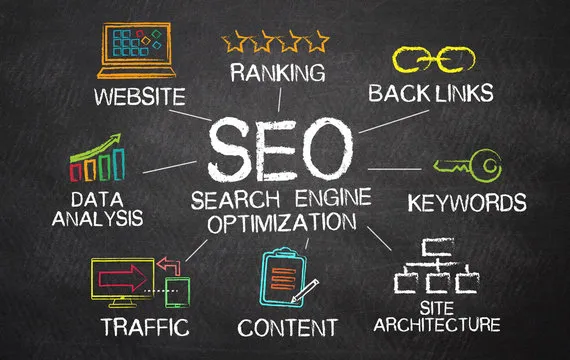
Search Engine Optimization (SEO) is the process of improving a website so that it ranks higher on search engines when people search for relevant products or services. For small businesses in Nepal, SEO is one of the most effective ways to compete with larger companies without spending huge budgets on advertising.
When customers search for services like restaurants, digital agencies, travel companies, or retail shops, they usually click on the top results. If your business appears on the first page of search results, it increases your chances of attracting potential customers.
SEO is not just about ranking higher. It is about building trust, credibility, and authority in your industry. When people consistently see your business at the top of search results, they begin to view your brand as reliable and professional.
Small businesses that invest in SEO often experience:
- Increased website traffic
- More qualified leads
- Higher conversion rates
- Stronger brand awareness
- Long-term online growth
In Nepal’s growing digital economy, SEO is becoming one of the most important marketing tools for small businesses.
The Digital Landscape for Small Businesses in Nepal
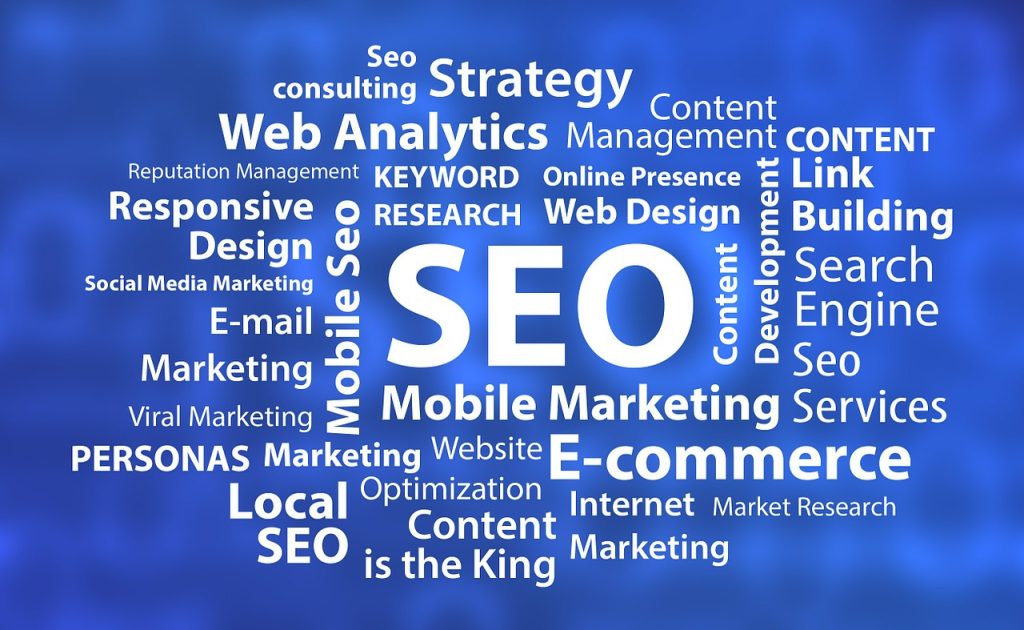
Nepal’s digital market has expanded rapidly over the last few years. More people are using smartphones, internet services are improving, and online shopping is becoming increasingly popular. This shift has created new opportunities for small businesses to reach customers online.
Today, people in Nepal search online for almost everything, including:
- Local services
- Restaurants and cafes
- Travel and tourism
- Education and training
- Health services
- E-commerce products
- Professional services
This means businesses that are not visible online may miss out on valuable opportunities.
SEO allows small businesses to compete in this digital environment. Even with a limited budget, a well-planned SEO strategy can help a local company rank higher and attract more customers.
Why Small Businesses Need SEO Services
Many small business owners believe that SEO is only for large companies. However, the reality is the opposite. Small businesses often benefit the most from SEO because it provides cost-effective and long-term results.
Here are some key reasons why SEO services are essential for small businesses in Nepal.
1. Increased Online Visibility
When people search online for services related to your business, appearing on the first page can make a huge difference. SEO helps your website become more visible to potential customers.
Instead of relying only on word-of-mouth or offline marketing, SEO ensures your business is discoverable online.
2. Targeting the Right Audience
SEO focuses on reaching people who are already searching for your products or services. This means the traffic you receive is highly relevant.
For example, if someone searches for a service in Nepal and your website appears in the results, they are more likely to become a customer.
3. Cost-Effective Marketing
Compared to traditional advertising, SEO offers better long-term value. Once your website ranks well, you can continue attracting customers without constantly spending money on ads.
This makes SEO ideal for small businesses with limited budgets.
4. Building Trust and Credibility
People trust search engines. When your business appears at the top of search results, it builds credibility in the minds of customers.
A well-optimized website also improves user experience, which further strengthens trust.
5. Long-Term Business Growth
Unlike short-term marketing campaigns, SEO delivers long-lasting results. With consistent optimization and quality content, your business can maintain strong rankings for years.
Key SEO Services for Small Businesses
SEO involves several strategies and techniques that work together to improve search rankings. Professional agencies provide a combination of services to ensure the best results.
Website SEO Audit
An SEO audit is the first step in improving a website’s performance. It involves analyzing the current condition of the website and identifying areas for improvement.
The audit typically includes:
- Technical analysis
- Keyword evaluation
- Competitor analysis
- Content review
- Website performance analysis
This helps create a clear roadmap for SEO improvements.
Keyword Research and Strategy
Keyword research is one of the most important parts of SEO. It involves identifying the words and phrases people use when searching online.
For small businesses in Nepal, targeting the right keywords helps attract local customers.
Effective keyword research includes:
- Identifying high-traffic keywords
- Targeting local search terms
- Analyzing competitor keywords
- Understanding customer search behavior
A strong keyword strategy ensures your website reaches the right audience.
On-Page SEO Optimization
On-page SEO focuses on optimizing elements within your website to improve rankings.
This includes:
- Optimizing titles and meta descriptions
- Improving website structure
- Adding relevant keywords
- Enhancing internal linking
- Improving content quality
On-page optimization helps search engines understand your website better.
Technical SEO
Technical SEO ensures that your website works properly and is easy for search engines to crawl and index.
Important technical SEO elements include:
- Website speed optimization
- Mobile responsiveness
- Secure website structure
- Fixing broken links
- Improving website architecture
A technically optimized website performs better in search rankings.
Local SEO for Small Businesses
Local SEO is especially important for small businesses in Nepal that serve specific areas or cities.
It helps businesses appear in local search results when customers look for nearby services.
Local SEO strategies include:
- Optimizing business listings
- Managing online reviews
- Location-based keyword targeting
- Local content creation
- Google Business profile optimization
Local SEO helps small businesses attract nearby customers.
Content Marketing and SEO
Content plays a major role in SEO success. High-quality content helps search engines understand your website and attracts visitors who are looking for valuable information.
For small businesses, content marketing can include:
- Blog articles
- Service pages
- Guides and tutorials
- FAQs
- Case studies
Good content not only improves rankings but also builds authority and trust.
When businesses consistently publish helpful content, they become recognized as experts in their industry.
Link Building and Authority
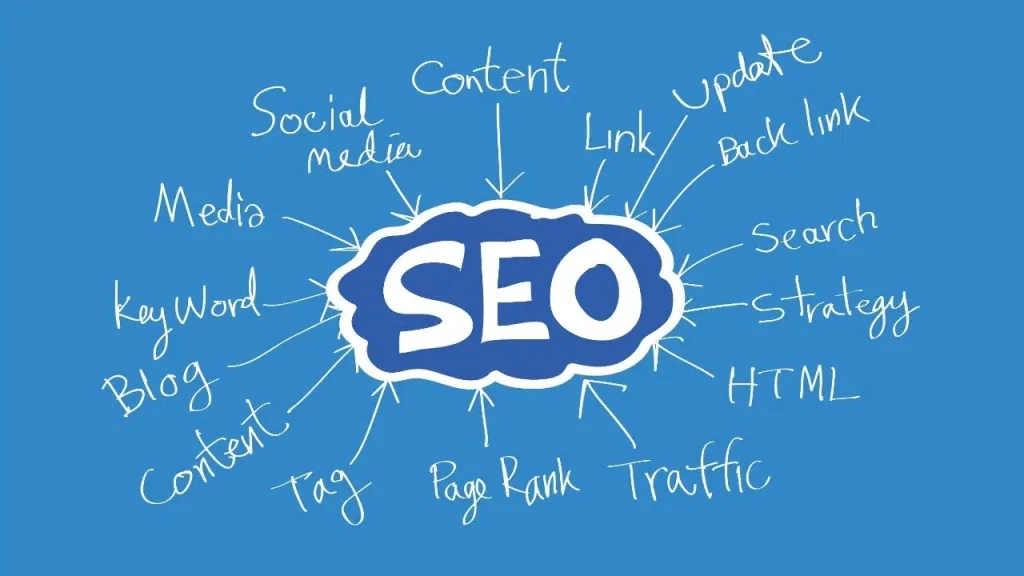
Search engines consider backlinks as a sign of trust. When other websites link to your site, it signals that your content is valuable and credible.
Link building strategies include:
- Guest blogging
- Business directory submissions
- Local partnerships
- Content promotion
- Industry collaborations
For small businesses, building quality backlinks can significantly improve search rankings.
How SEO Helps Small Businesses Compete with Big Brands
One of the biggest advantages of SEO is that it levels the playing field. Even small businesses can compete with larger companies by focusing on the right strategy.
SEO allows businesses to:
- Target niche markets
- Focus on local audiences
- Create valuable content
- Build strong online authority
Instead of competing on advertising budgets, small businesses can compete through strategy and expertise.
The Role of Analytics in SEO
SEO is not just about implementing strategies. It also involves monitoring performance and making improvements based on data.
Analytics tools help businesses track:
- Website traffic
- Keyword rankings
- User behavior
- Conversion rates
- Engagement metrics
By analyzing these insights, businesses can continuously improve their SEO strategy.
Common SEO Challenges for Small Businesses
While SEO offers many benefits, small businesses often face challenges when trying to implement it.
Limited Budget
Many small businesses have limited marketing budgets. However, SEO can still be effective when done strategically.
Lack of Expertise
SEO requires technical knowledge and experience. Without proper expertise, businesses may struggle to achieve results.
Competition
Some industries have strong competition online. This requires consistent effort and strategic planning.
Time Constraints
SEO takes time to show results. Businesses must be patient and consistent in their efforts.
Working with a professional SEO agency can help overcome these challenges.
Benefits of Hiring an SEO Agency for Small Businesses
Hiring an experienced SEO agency can make a significant difference in achieving results.
Here are some benefits of working with professionals.
Expert Strategy
SEO agencies understand search engine algorithms and trends. They create strategies that deliver measurable results.
Time Savings
Business owners can focus on running their operations while experts handle SEO.
Better Results
Professional agencies use advanced tools and proven techniques to improve rankings.
Continuous Optimization
SEO is an ongoing process. Agencies continuously monitor and improve performance.
Local Market Advantage in Nepal
Nepal has a unique market where local knowledge plays an important role in digital marketing.
Understanding local customer behavior, search trends, and cultural preferences can help create more effective SEO strategies.
Small businesses that focus on local SEO often achieve faster results because they target a specific audience.
The Future of SEO for Small Businesses in Nepal
The future of SEO in Nepal looks promising as more businesses shift online. Digital transformation is accelerating, and search engines are becoming the primary way customers discover services.
Emerging trends include:
- Voice search optimization
- Mobile-first indexing
- AI-powered search results
- Video SEO
- Local search growth
Businesses that invest in SEO today will have a strong advantage in the future.
How Small Businesses Can Start with SEO
Getting started with SEO does not have to be complicated. Small businesses can take the following steps:
- Create a professional website
- Optimize content with relevant keywords
- Focus on local search optimization
- Publish valuable content regularly
- Monitor performance and improve
With the right strategy, even small improvements can lead to significant growth.
Why SEO Is a Long-Term Investment
Many businesses expect instant results from digital marketing. However, SEO works differently. It builds momentum over time and delivers sustainable growth.
Unlike paid ads that stop generating traffic when the budget ends, SEO continues to bring visitors even after optimization efforts.
This makes SEO one of the most valuable investments for small businesses.
Building Brand Authority Through SEO
SEO not only improves rankings but also helps build brand authority.
When a business consistently appears in search results and provides valuable content, customers begin to trust the brand.
Authority leads to:
- Increased customer loyalty
- Higher conversions
- Strong reputation
- Industry recognition
Over time, this strengthens the business’s overall presence.
SEO Strategies That Work Best for Small Businesses
Some SEO strategies are particularly effective for small businesses in Nepal.
These include:
- Local keyword targeting
- Content marketing
- Mobile optimization
- Customer reviews
- Social media integration
Combining these strategies can deliver powerful results.
Conclusion
SEO services have become essential for small businesses in Nepal that want to grow and succeed in today’s digital world. As more consumers rely on online searches to find products and services, businesses that invest in SEO gain a significant advantage.
From improving visibility and attracting customers to building trust and long-term growth, SEO offers numerous benefits that traditional marketing cannot match.
Small businesses that work with experienced professionals, develop a clear strategy, and focus on delivering value to their audience can achieve remarkable results.
In the coming years, SEO will continue to shape the future of business growth in Nepal, helping small companies reach new heights and compete successfully in the digital marketplace.
Contact Details
+977-9840051811
info@ecstaticminds.com
+977-9840051811
Lazimpat-02 Kathmandu Nepal
FAQs – SEO Services for Small Businesses in Nepal
1. What are SEO services for small businesses?
SEO services for small businesses involve optimizing a website so it ranks higher in search engine results. These services help businesses attract customers who are actively searching for their products or services online. SEO includes keyword research, content optimization, technical improvements, and link building. For small businesses, SEO is a cost-effective way to grow online visibility. It helps companies compete with larger brands even with limited marketing budgets. Over time, strong SEO strategies can generate consistent leads and long-term growth.
2. Why is SEO important for small businesses in Nepal?
SEO is important because more people in Nepal are searching online before making purchasing decisions. When a small business appears in search results, it increases the chances of attracting potential customers. Without SEO, many businesses remain invisible online. SEO also builds credibility and trust among users who rely on search engines for reliable results. It allows local companies to target customers in specific locations. Ultimately, SEO helps small businesses grow sustainably in the digital marketplace.
3. How does SEO help local businesses grow?
SEO helps local businesses grow by making them visible to nearby customers searching for services. It focuses on location-based keywords that match what people search in a particular area. When optimized properly, a business appears in local search results and maps. This increases foot traffic, calls, and inquiries. SEO also improves website usability and user experience. As a result, businesses gain more customers and build long-term relationships.
4. What makes SEO different from paid advertising?
SEO focuses on organic search results, while paid advertising requires ongoing investment. With SEO, businesses optimize their website so it ranks naturally on search engines. Paid ads stop generating traffic once the advertising budget ends. SEO, on the other hand, continues to drive traffic even after initial optimization efforts. It builds long-term visibility and brand credibility. Both strategies can work together, but SEO offers sustainable results over time.
5. How long does SEO take to show results?
SEO usually takes several months to show noticeable improvements in rankings and traffic. The timeline depends on competition, website condition, and keyword difficulty. For small businesses, initial results may appear within three to six months. However, strong SEO performance often develops over time with consistent efforts. Search engines need time to evaluate improvements and content updates. Patience and regular optimization are essential for long-term success.
6. What is local SEO?
Local SEO focuses on improving a business’s visibility in local search results. It helps companies appear when customers search for services in their city or region. This strategy includes optimizing location-based keywords and business listings. Local SEO also involves managing reviews and updating business information. It is especially useful for small businesses that rely on nearby customers. By implementing local SEO, businesses can attract targeted local traffic.
7. Why should small businesses invest in SEO instead of traditional marketing?
Traditional marketing methods like print ads or billboards reach a broad audience but may not target the right customers. SEO, however, connects businesses with people actively searching for specific products or services. This increases the chances of conversion and customer engagement. SEO is also more measurable, allowing businesses to track results and improve strategies. Over time, it provides better return on investment compared to many traditional methods. It also supports long-term brand visibility.
8. What are keywords in SEO?
Keywords are words or phrases people type into search engines when looking for information. In SEO, businesses use these keywords strategically within their website content. This helps search engines understand what the website is about. Choosing the right keywords is crucial for attracting relevant traffic. Keyword research helps identify popular search terms in a specific industry. Using them effectively improves search engine rankings.
9. How does keyword research help small businesses?
Keyword research helps businesses understand what their customers are searching online. It identifies high-value search terms related to their products or services. This allows businesses to create content that matches user intent. By targeting the right keywords, websites attract relevant visitors who are more likely to convert. It also helps identify opportunities with lower competition. Overall, keyword research forms the foundation of a successful SEO strategy.
10. What is on-page SEO?
On-page SEO involves optimizing elements directly on a website. This includes titles, headings, content, and internal links. It ensures that search engines can understand the content clearly. On-page optimization also improves user experience and website structure. When done correctly, it helps pages rank higher in search results. It is one of the most important aspects of SEO.
11. What is technical SEO?
Technical SEO focuses on improving the backend structure of a website. It ensures that search engines can crawl and index pages efficiently. This includes optimizing site speed, mobile compatibility, and secure connections. Technical improvements also enhance overall website performance. A technically sound website ranks better in search engines. It also provides a better experience for visitors.
12. How does SEO improve website traffic?
SEO improves website traffic by increasing visibility in search engine results. When a website ranks higher, more people click on it. These visitors are usually interested in the products or services offered. SEO targets users who are actively searching, making traffic more relevant. Over time, this leads to consistent and organic growth. High rankings also strengthen brand awareness.
13. Can small businesses compete with large companies using SEO?
Yes, small businesses can compete effectively using SEO strategies. By targeting niche keywords and local audiences, they can rank well in search results. SEO focuses on relevance and quality rather than just company size. Smaller companies can create valuable content and build strong local authority. With the right strategy, they can outperform larger competitors in specific searches. This makes SEO a powerful tool for growth.
14. What role does content play in SEO?
Content is one of the most important factors in SEO success. High-quality content helps search engines understand a website’s relevance. It also provides value to users searching for information. Well-written articles, blogs, and guides attract visitors and keep them engaged. Regularly updated content signals that a website is active and trustworthy. This improves rankings and audience trust.
15. How often should small businesses update their website content?
Small businesses should update their website content regularly to maintain relevance. Adding new articles, blogs, or updates helps search engines recognize fresh content. Consistent updates also keep visitors engaged and informed. Ideally, businesses should publish new content at least a few times each month. However, quality should always be prioritized over quantity. Updated content also improves SEO performance.
16. What are backlinks in SEO?
Backlinks are links from other websites pointing to your website. They act as a signal of trust and authority for search engines. When reputable websites link to your content, it improves credibility. Backlinks also help search engines discover new pages. High-quality backlinks can significantly boost search rankings. However, quality matters more than quantity.
17. Why are backlinks important for small businesses?
Backlinks help small businesses build authority in search engines. They show that other websites trust the content being shared. This increases the chances of ranking higher in search results. Backlinks also drive referral traffic from other platforms. For small businesses, they are an essential part of SEO growth. Building strong backlinks improves long-term visibility.
18. What is mobile SEO?
Mobile SEO ensures that a website works well on smartphones and tablets. Since many users in Nepal browse on mobile devices, this is extremely important. A mobile-friendly website loads quickly and displays properly on smaller screens. Search engines prioritize mobile-optimized websites in rankings. Good mobile SEO improves user experience and engagement. It also increases the likelihood of conversions.
19. How does website speed affect SEO?
Website speed is a crucial ranking factor in search engines. Slow websites frustrate users and increase bounce rates. Faster websites provide a better browsing experience. Search engines prefer websites that load quickly. Optimizing images, hosting, and code can improve speed. This leads to better rankings and user satisfaction.
20. What is an SEO audit?
An SEO audit is a detailed analysis of a website’s performance. It identifies strengths, weaknesses, and opportunities for improvement. The audit covers technical aspects, content quality, and keyword usage. It helps businesses understand what needs to be optimized. Regular audits ensure that SEO strategies remain effective. They also guide future improvements.
21. How can SEO increase sales for small businesses?
SEO increases sales by attracting potential customers who are already interested in specific services. These users are more likely to convert into paying clients. By appearing in search results, businesses gain trust and credibility. SEO also improves website usability and customer experience. This encourages visitors to explore products and services. Over time, higher visibility leads to increased revenue.
22. What industries in Nepal benefit most from SEO?
Almost every industry can benefit from SEO, including tourism, retail, healthcare, education, and professional services. Businesses that rely on local customers especially benefit from SEO strategies. Online shopping and digital services also see significant advantages. Even traditional businesses can reach new audiences online. SEO helps companies adapt to changing consumer behavior. It creates opportunities across different industries.
23. What is the difference between on-page and off-page SEO?
On-page SEO focuses on optimizing elements within a website. Off-page SEO involves actions taken outside the website to improve rankings. This includes backlinks, brand mentions, and online reputation. Both strategies work together to improve search visibility. On-page SEO ensures content quality, while off-page SEO builds authority. Combining them creates a strong SEO foundation.
24. Can SEO work for very small or new businesses?
Yes, SEO works well for new or small businesses starting online. Even with a limited budget, businesses can optimize their website and content. SEO helps them reach targeted audiences who are searching for specific services. Over time, this builds credibility and brand awareness. Small businesses can grow gradually through consistent SEO efforts. It is a scalable marketing strategy.
25. How does SEO build brand awareness?
SEO increases brand awareness by placing a business in front of potential customers. When users repeatedly see a brand in search results, they begin to recognize it. High rankings create trust and authority. Content marketing also helps educate audiences about the brand. Over time, people associate the brand with expertise and reliability. This strengthens brand reputation.
26. What is the role of an SEO agency for small businesses?
An SEO agency helps small businesses improve their online visibility and search rankings. They analyze a website, identify opportunities, and implement strategies to attract organic traffic. Agencies handle keyword research, content optimization, and technical improvements. They also monitor performance and adjust strategies when necessary. For small businesses that lack in-house expertise, an SEO agency provides professional guidance. This allows business owners to focus on operations while experts handle digital growth.
27. How does local keyword targeting help small businesses?
Local keyword targeting focuses on search terms that include geographic locations. This helps businesses appear when people search for services within a specific area. For example, customers often search for nearby services rather than general ones. By using location-based keywords, businesses reach highly relevant audiences. This increases the chances of conversions and customer engagement. Local keyword optimization is essential for businesses serving local markets.
28. What is Google Business Profile optimization?
Google Business Profile optimization involves improving a business listing on search engines. This includes adding accurate contact information, location details, and business descriptions. Optimized listings help businesses appear in local search results and maps. It also allows customers to leave reviews and interact with the brand. A well-managed profile builds trust and credibility. It also increases visibility among nearby customers.
29. How do reviews affect SEO for small businesses?
Customer reviews play an important role in local SEO rankings. Positive reviews signal trust and reliability to search engines and potential customers. They also influence buying decisions for new customers. Businesses with good reviews tend to appear more credible online. Responding to reviews also shows that a company values customer feedback. Overall, reviews contribute to stronger online reputation and visibility.
30. What is the importance of SEO-friendly website design?
SEO-friendly website design ensures that search engines can easily crawl and understand a website. It includes proper navigation, clean structure, and optimized content placement. A well-designed website also improves user experience and engagement. Visitors stay longer on sites that are easy to navigate. Search engines consider user experience when ranking websites. Therefore, design plays a crucial role in SEO success.
31. How does blogging support SEO?
Blogging allows businesses to publish informative content related to their industry. Each blog post targets specific keywords that attract search traffic. Regular blogging signals to search engines that a website is active and valuable. It also helps educate potential customers and build authority. Businesses can address common questions and provide solutions through blog posts. Over time, this strengthens online visibility and trust.
32. What is search engine ranking?
Search engine ranking refers to the position of a website in search results. Higher rankings mean better visibility and more traffic. Websites that appear on the first page receive the most clicks. Ranking depends on several factors, including content quality and technical optimization. Businesses aim to improve their ranking through SEO strategies. Better rankings lead to increased customer engagement.
33. What is organic traffic?
Organic traffic refers to visitors who find a website through search engine results rather than paid ads. These visitors usually search for specific information or services. Organic traffic is valuable because it comes from interested users. SEO strategies help increase organic traffic over time. It also provides long-term marketing benefits without continuous ad spending. Strong organic traffic indicates effective SEO performance.
34. What is the difference between SEO and social media marketing?
SEO focuses on improving search engine visibility, while social media marketing promotes brands on social platforms. Both strategies aim to increase online presence. SEO targets people actively searching for services. Social media engages audiences through content and interaction. When combined, they create a powerful digital marketing strategy. Businesses benefit from both approaches.
35. Can SEO help businesses reach international audiences?
Yes, SEO can help businesses expand beyond local markets. By targeting global keywords and optimizing content, companies can attract international visitors. Search engines allow websites to reach audiences worldwide. Multilingual content and global SEO strategies also improve reach. Small businesses can grow internationally through consistent optimization. This opens opportunities for global expansion.
36. What is competitor analysis in SEO?
Competitor analysis involves studying other businesses that rank for similar keywords. This helps identify strengths and weaknesses in their strategies. Businesses can learn what works well in their industry. By analyzing competitors, companies discover new opportunities for improvement. It also helps develop better content and marketing strategies. Competitor research is a key part of SEO planning.
37. How does SEO help build trust with customers?
SEO builds trust by making businesses visible in search results consistently. When customers repeatedly see a brand online, it strengthens credibility. High-ranking websites are often perceived as more reliable. Quality content also demonstrates expertise and professionalism. Positive reviews and optimized information add to trustworthiness. Over time, SEO helps establish strong customer relationships.
38. What is long-tail keyword optimization?
Long-tail keywords are longer and more specific search phrases. These keywords usually have lower competition but higher conversion potential. Small businesses benefit from targeting long-tail keywords because they attract niche audiences. For example, specific search queries indicate strong intent. Optimizing for these keywords improves ranking opportunities. It also increases targeted traffic.
39. How does SEO improve customer experience?
SEO encourages businesses to create user-friendly websites. This includes faster loading times, easy navigation, and relevant content. Visitors find information quickly and efficiently. Positive user experiences increase engagement and conversions. Search engines reward websites that provide value to users. Therefore, SEO directly improves customer satisfaction.
40. What are meta tags in SEO?
Meta tags are elements in website code that describe page content. They include titles and descriptions that appear in search results. These tags help search engines understand the topic of a page. Well-written meta tags attract users to click on a website. They also improve search visibility and ranking potential. Proper optimization of meta tags is essential for SEO.
41. What is link building?
Link building is the process of getting other websites to link back to your site. These links signal authority and credibility to search engines. High-quality links improve search rankings over time. Link building also increases referral traffic from other platforms. Businesses often create valuable content to attract links naturally. It is an important part of off-page SEO.
42. How does SEO help startups grow?
Startups often struggle with brand recognition in the beginning. SEO helps them gain visibility in search results quickly. By targeting niche keywords, startups can attract relevant audiences. SEO also builds credibility and trust among potential customers. Over time, it supports consistent growth and awareness. This makes it an effective marketing strategy for startups.
43. What is the role of analytics in SEO?
Analytics helps businesses track the performance of their SEO strategies. It provides insights into website traffic, user behavior, and rankings. Businesses can see which pages perform well and which need improvement. Data-driven decisions improve SEO results. Analytics also helps measure return on investment. Monitoring performance ensures long-term success.
44. How can small businesses measure SEO success?
Small businesses measure SEO success through key performance indicators. These include organic traffic, keyword rankings, and conversions. Growth in website visitors indicates improved visibility. Higher rankings for targeted keywords also show progress. Businesses may also track leads and sales generated through search traffic. Consistent monitoring helps evaluate strategy effectiveness.
45. What is voice search optimization?
Voice search optimization focuses on optimizing content for spoken queries. Many users now search using voice assistants on mobile devices. These searches are often conversational and longer. Businesses need to adapt their content to match these queries. Optimizing for voice search improves visibility in modern search trends. It also helps reach a broader audience.
46. How does SEO support long-term marketing goals?
SEO provides sustainable growth compared to short-term marketing campaigns. Once a website ranks well, it continues to attract visitors. Businesses build authority and trust over time. SEO strategies evolve with search engine updates. Long-term optimization leads to consistent traffic and leads. It is a valuable investment for business growth.
47. Can SEO reduce marketing costs?
SEO can reduce marketing costs over time by generating organic traffic. Unlike paid ads, SEO does not require constant spending. Initial investments in optimization deliver long-term benefits. Businesses receive consistent visitors without recurring ad expenses. This makes SEO a cost-effective marketing strategy. It also increases return on investment.
48. What is the future of SEO for small businesses?
The future of SEO involves advanced search technologies and user-focused content. Businesses must adapt to new algorithms and trends. Mobile optimization, voice search, and AI-driven search will play important roles. Small businesses that invest in SEO early gain competitive advantages. Continuous learning and adaptation are key. SEO will remain essential for digital success.
49. How can businesses start with SEO?
Businesses can start by auditing their website and identifying improvement areas. Keyword research should be the first step in building an SEO strategy. Optimizing content and technical elements comes next. Consistency in publishing valuable content is also important. Businesses may also consider working with SEO experts. Starting early helps achieve long-term success.
50. What mistakes should small businesses avoid in SEO?
Small businesses should avoid keyword stuffing and low-quality content. These practices can harm search rankings. Ignoring mobile optimization is another common mistake. Businesses should also avoid buying low-quality backlinks. Consistency and patience are important in SEO. Following best practices ensures long-term results.
51. How does SEO help local brand recognition?
SEO helps local businesses appear frequently in search results. When customers repeatedly see a brand, it increases familiarity. This strengthens brand recall and recognition. Local SEO strategies ensure businesses reach nearby audiences. Strong visibility builds trust in the community. Over time, it establishes the brand as an authority.
52. What role does user intent play in SEO?
User intent refers to the reason behind a search query. Understanding this intent helps businesses create relevant content. When content matches what users are looking for, engagement increases. Search engines prioritize content that satisfies user intent. Businesses must focus on solving customer problems. This improves rankings and conversions.
53. What is technical website optimization?
Technical optimization focuses on improving the structure and functionality of a website. It includes fixing errors, improving speed, and ensuring proper indexing. A technically optimized site performs better in search results. It also provides a smoother user experience. Search engines favor websites that function efficiently. Technical improvements are essential for strong SEO.
54. How does SEO improve lead generation?
SEO attracts users who are actively searching for products or services. These users are more likely to become leads or customers. High search rankings increase website visibility. Well-optimized landing pages encourage inquiries and conversions. Businesses can capture leads through forms and calls. SEO supports consistent lead generation.
55. What is content optimization?
Content optimization involves improving content to match search engine requirements. This includes proper keyword usage, readability, and structure. Optimized content provides value to readers while improving rankings. Businesses must update and refine content regularly. High-quality content attracts more traffic and engagement. It is a key element of SEO success.
56. How does SEO help small businesses build authority?
SEO helps businesses appear knowledgeable and reliable in their industry. High-ranking content demonstrates expertise. Backlinks from reputable websites further strengthen authority. Consistent publishing of valuable information builds trust. Over time, customers see the business as an industry leader. Authority improves both rankings and reputation.
57. What is the role of structured data in SEO?
Structured data helps search engines understand website content better. It allows search engines to display enhanced results such as rich snippets. These snippets improve visibility and click-through rates. Businesses benefit from more engaging search listings. Structured data also improves indexing and relevance. It is an advanced SEO technique.
58. How can SEO help e-commerce small businesses?
SEO helps e-commerce businesses attract customers searching for specific products. Optimizing product pages improves visibility in search results. It also enhances user experience and navigation. High rankings increase the chances of sales. SEO supports long-term growth for online stores. It helps small businesses compete in the digital marketplace.
59. Why is consistent SEO important?
SEO requires ongoing effort and updates. Search engine algorithms change frequently. Consistent optimization ensures a website remains competitive. Regular content updates improve rankings and traffic. Businesses that maintain SEO strategies achieve better results. Consistency leads to sustainable growth.
60. What are SEO tools?
SEO tools help analyze website performance and identify improvement areas. They provide insights into keywords, traffic, and rankings. Businesses use these tools to track progress. Tools also help monitor competitors and industry trends. Data from SEO tools guides decision-making. They are essential for effective optimization.
61. How does SEO improve website credibility?
Websites that rank higher are often perceived as trustworthy by users. SEO focuses on quality content and accurate information. Reviews, backlinks, and strong user experience also enhance credibility. Search engines prioritize reliable websites. This builds trust among visitors. Credibility leads to increased engagement and conversions.
62. Can SEO work without a website redesign?
Yes, SEO can be implemented without a full website redesign. Many improvements can be made through content optimization and technical adjustments. However, outdated designs may require updates for better performance. Improving site speed and structure can make a significant difference. Businesses should evaluate their website’s condition. Gradual improvements often deliver strong results.
63. How does SEO help businesses adapt to digital trends?
SEO encourages businesses to stay updated with search engine changes. New technologies and trends influence search behavior. Businesses that adapt remain competitive online. SEO strategies evolve to match modern user expectations. This ensures long-term success in digital marketing. Staying updated is essential for growth.
64. What is the ROI of SEO for small businesses?
SEO provides strong return on investment over time. While results take time, the long-term benefits are significant. Organic traffic reduces dependency on paid advertising. Businesses gain consistent leads and brand exposure. SEO strategies continue delivering results even after initial efforts. This makes it one of the most valuable marketing investments.
65. Why should small businesses choose professional SEO services?
Professional SEO services provide expertise and proven strategies. Experts understand search algorithms and optimization techniques. They create customized strategies based on business goals. This improves efficiency and results. Businesses save time while achieving better rankings. Professional support ensures long-term digital growth.
Contact Details
+977-9840051811
info@ecstaticminds.com
+977-9840051811
Lazimpat-02 Kathmandu Nepal