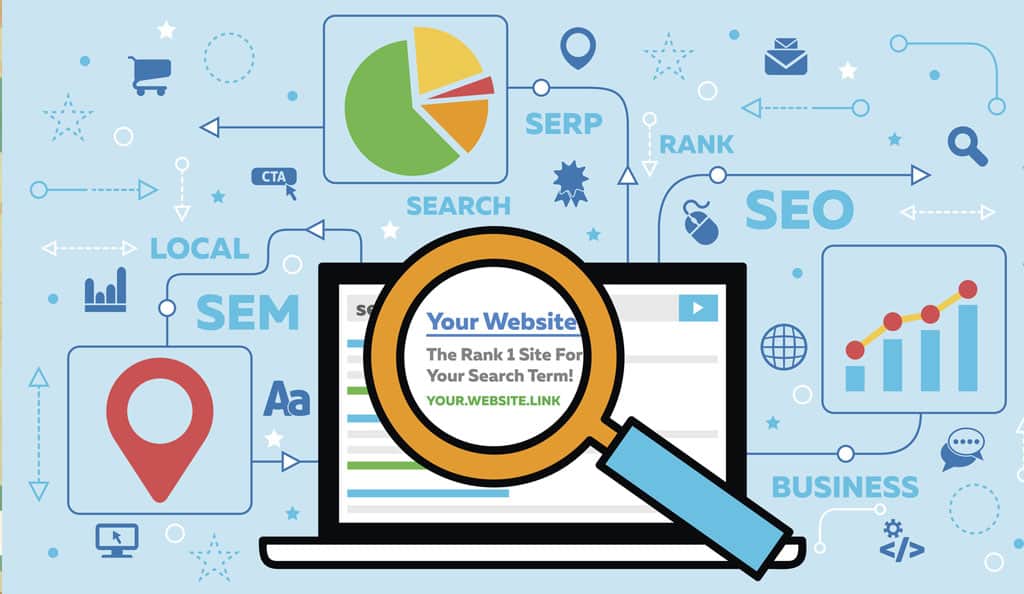
SEO vs SEM
Table of Contents
SEO vs SEM: A Complete Guide for Smart Digital Growth by Ecstatic Minds
SEO vs SEM: In today’s digital-first world, businesses no longer ask whether they should invest in online marketing — the real question is how. Two of the most powerful strategies dominate this conversation: SEO (Search Engine Optimization) and SEM (Search Engine Marketing).
At Ecstatic Minds, we often meet business owners who feel torn between the two. Some want long-term growth. Others need immediate visibility. Many assume SEO and SEM are rivals competing for the same goal. In reality, they are two sides of the same growth engine, each with unique strengths, timelines, and outcomes.
This in-depth guide breaks down SEO vs SEM, explains how they differ, how they work together, and how businesses in Nepal and beyond can use them strategically for maximum impact.
Understanding the Basics: What Is SEO?
Search Engine Optimization (SEO) is the process of improving your website’s visibility in organic (non-paid) search engine results. When users search for relevant keywords, SEO helps your website appear naturally on the search results page.
SEO is not about shortcuts or tricks. It’s about building trust with search engines by delivering value to users.
Core Elements of SEO
SEO works through multiple interconnected components:
1. On-Page SEO
This includes optimizing content, headlines, meta descriptions, keyword usage, internal linking, and user experience. On-page SEO ensures your content is clear, relevant, and useful.
2. Technical SEO
Technical SEO focuses on website performance — site speed, mobile responsiveness, crawlability, indexation, structured data, and security. A technically sound website gives search engines confidence to rank your pages.
3. Off-Page SEO
Off-page SEO involves activities outside your website, such as brand mentions, authority building, and reputation signals. It strengthens trust and credibility in competitive markets.
4. Content Optimization
Search engines prioritize content that solves real problems. High-quality, informative, and engaging content is the backbone of SEO success.
The Nature of SEO Growth
SEO is long-term and cumulative. Results don’t appear overnight, but when they do, they are sustainable and cost-effective. Once rankings are established, traffic continues without paying for every click.
Understanding SEM: What Is Search Engine Marketing?
Search Engine Marketing (SEM) refers to paid advertising on search engines to gain instant visibility. This usually includes paid search campaigns where businesses bid on keywords and appear at the top of search results.
SEM is designed for speed, precision, and control.
How SEM Works
With SEM, businesses:
- Choose specific keywords
- Create ad copy
- Set budgets and bids
- Target users by location, device, intent, and behavior
- Pay when users click on ads
Key Components of SEM
1. Paid Search Campaigns
These ads appear above organic results and are marked as sponsored placements.
2. Keyword Bidding
Advertisers compete for keywords based on relevance and competition.
3. Ad Copywriting
Strong headlines, compelling descriptions, and clear calls-to-action drive clicks.
4. Landing Page Optimization
SEM success depends heavily on where users land. Conversion-optimized pages are critical.
The Nature of SEM Results
SEM delivers immediate traffic and instant visibility. The moment a campaign goes live, your brand appears in front of potential customers. However, once the budget stops, the traffic stops too.

SEO vs SEM: Core Differences Explained Clearly
Although SEO and SEM aim for visibility, they differ significantly in execution and outcome.
1. Cost Structure
SEO
SEO requires investment in time, expertise, and content. There’s no cost per click, making it more affordable in the long run.
SEM
SEM involves direct advertising costs. You pay for each click, impression, or conversion, depending on the campaign structure.
2. Speed of Results
SEO
SEO is gradual. Rankings typically improve over weeks or months as trust builds.
SEM
SEM provides immediate results. Ads can start generating traffic within hours.
3. Longevity
SEO
SEO builds lasting digital assets. A strong ranking can deliver traffic for years.
SEM
SEM is temporary. Traffic disappears when campaigns stop.
4. Trust and Credibility
SEO
Users often trust organic results more. SEO builds authority and brand credibility.
SEM
Paid ads are effective but may be perceived as less authentic by some users.
5. Click-Through Behavior
Many users skip ads and click organic listings, while others prefer ads that match their intent exactly. This makes combining both strategies extremely powerful.
SEO vs SEM: Which One Is Right for Your Business?
The choice depends on goals, budget, competition, and timeline.
Choose SEO If:
- You want long-term, sustainable growth
- You’re building brand authority
- You want consistent traffic without paying per click
- You’re competing in content-driven markets
Choose SEM If:
- You need quick results
- You’re launching a new product or service
- You want immediate visibility in competitive spaces
- You’re running time-sensitive campaigns
At Ecstatic Minds, we rarely recommend choosing only one. The most successful businesses use SEO and SEM together.
SEO vs SEM in the Nepalese Market
The digital landscape in Nepal is evolving rapidly. Search behavior has increased across industries like education, real estate, healthcare, tourism, e-commerce, and professional services.
SEO in Nepal
- Growing competition for local keywords
- Strong opportunity for local SEO
- Ideal for service-based and long-term brands
- Highly effective when combined with quality content and off page SEO efforts
SEM in Nepal
- Cost-effective compared to global markets
- Ideal for startups and promotions
- Great for targeting Kathmandu and major cities
- Delivers fast traction in competitive industries
Businesses that combine local SEO, technical optimization, off page SEO, and targeted SEM campaigns gain a significant advantage.
SEO vs SEM: Content Strategy Differences
SEO Content Strategy
SEO content is educational, informative, and evergreen. It focuses on:
- Blog posts
- Guides
- Service pages
- FAQs
- Pillar content
SEO content grows in value over time and supports organic authority.
SEM Content Strategy
SEM content is conversion-focused. It includes:
- Ad headlines
- Short descriptions
- Landing page copy
- Promotional messaging
SEM content is designed to persuade quickly and convert immediately.
SEO vs SEM: Measuring Success
SEO Metrics
- Organic traffic growth
- Keyword rankings
- Engagement metrics
- Conversion rate from organic visits
- Domain authority signals
SEM Metrics
- Click-through rate
- Cost per click
- Conversion rate
- Return on ad spend
- Quality score
SEO success compounds slowly. SEM success can be measured in real time.

The Power of Combining SEO and SEM
When SEO and SEM work together, the results multiply.
Benefits of Using Both
- Dominates search results (paid + organic)
- Shares keyword data between strategies
- Improves brand recall
- Balances short-term wins with long-term growth
- Maximizes overall ROI
For example, SEM data can identify high-converting keywords that later become SEO priorities. Meanwhile, SEO insights improve ad relevance and quality scores.
Common Myths About SEO vs SEM
Myth 1: SEO Is Free
SEO requires investment in strategy, content, technical optimization, and off page SEO efforts.
Myth 2: SEM Guarantees Sales
SEM drives traffic, not guaranteed conversions. Strategy and landing pages matter.
Myth 3: SEO Is Dead
SEO is evolving, not disappearing. Quality and relevance matter more than ever.
Myth 4: SEM Hurts SEO
Paid ads do not harm organic rankings. Both can coexist effectively.
How Ecstatic Minds Approaches SEO vs SEM
At Ecstatic Minds, we don’t treat SEO and SEM as competing services. We design integrated digital strategies based on business goals.
Our SEO Approach
- Deep keyword research
- Technical SEO optimization
- Content creation with user intent
- Strong off page SEO foundation
- Continuous performance tracking
Our SEM Approach
- Market-specific campaign planning
- Data-driven ad creatives
- Smart bidding strategies
- Conversion-optimized landing pages
- Constant optimization for ROI
Our goal is simple: visibility that converts, and growth that lasts.
SEO vs SEM: Long-Term Business Impact
SEO builds digital equity. SEM builds immediate momentum.
SEO strengthens your brand over time, while SEM accelerates opportunities when timing matters. Businesses that rely only on one often hit growth ceilings. Those that integrate both scale faster and smarter.
Final Thoughts: SEO vs SEM Is Not a Battle — It’s a Balance
The debate of SEO vs SEM isn’t about choosing a winner. It’s about understanding when, where, and how to use each strategy.
SEO delivers stability, authority, and trust.
SEM delivers speed, precision, and control.
At Ecstatic Minds, we believe true digital success comes from balance, strategy, and execution. When SEO and SEM align with your business goals, the result is not just traffic — it’s measurable, sustainable growth.
If you want your brand to be seen today and remembered tomorrow, the answer isn’t SEO or SEM.
It’s SEO and SEM — together, done right.
Contact Details
+977-9840051811
info@ecstaticminds.com
+977-9840051811
Lazimpat-02 Kathmandu Nepal
Faqs on “SEO vs SEM: Ecstatic Minds”:-
1. What is the main difference between SEO and SEM?
SEO focuses on gaining organic visibility in search engines through content, technical improvements, and off page SEO efforts. SEM, on the other hand, uses paid advertising to appear instantly in search results. SEO builds long-term authority, while SEM delivers immediate traffic. Both serve different but complementary purposes.
2. Which is better: SEO or SEM?
Neither SEO nor SEM is better on its own; the best choice depends on business goals. SEO is ideal for long-term growth and credibility, while SEM is effective for quick visibility and promotions. Most successful businesses use both together. A balanced strategy delivers sustainable and scalable results.
3. How long does SEO take to show results?
SEO typically takes several weeks to months to show noticeable improvements. The timeline depends on competition, website health, content quality, and off page SEO strength. While slow initially, SEO results are long-lasting. Over time, traffic becomes more consistent and cost-effective.
4. How fast does SEM deliver results?
SEM can deliver results almost immediately after a campaign goes live. Ads can start appearing in search results within hours. However, results depend on budget, bidding strategy, and ad relevance. Once spending stops, visibility also stops.
5. Is SEO more cost-effective than SEM?
SEO is generally more cost-effective in the long run because it does not require payment per click. While SEO needs upfront investment in strategy and content, the traffic continues without recurring ad costs. SEM can become expensive over time, especially in competitive industries. That’s why SEO is seen as a long-term asset.
6. Does SEM help SEO rankings?
SEM does not directly affect SEO rankings. Paid ads do not influence how search engines rank organic results. However, SEM data can help refine SEO strategies by identifying high-converting keywords. Indirectly, both can support better overall performance.
7. Can a business rely only on SEO?
Yes, some businesses rely only on SEO, especially those focused on long-term growth. However, SEO alone may be slow for new websites or competitive markets. Without SEM, businesses may miss quick opportunities. Combining both offers stronger flexibility.
8. Can a business rely only on SEM?
A business can rely only on SEM, but it is risky in the long term. Once ad budgets stop, traffic disappears immediately. SEM also becomes costly over time. Without SEO, businesses lack sustainable organic visibility.
9. What type of businesses benefit most from SEO?
Service-based businesses, content-driven brands, and companies aiming for long-term authority benefit most from SEO. SEO is ideal for education, healthcare, real estate, and professional services. Businesses that want trust and consistent traffic prefer SEO. Strong off page SEO further boosts results.
10. What type of businesses benefit most from SEM?
SEM benefits businesses that need immediate visibility, such as startups, event-based promotions, and product launches. E-commerce and highly competitive industries also benefit from SEM. It allows precise targeting and quick testing. SEM is powerful when speed matters.
11. Is SEO suitable for small businesses?
Yes, SEO is highly suitable for small businesses, especially local ones. It helps compete with larger brands by targeting niche and location-based keywords. Over time, SEO builds strong local visibility. Off page SEO and local optimization make it even more effective.
12. Is SEM suitable for small businesses?
SEM can be suitable for small businesses if budgets are managed carefully. It allows precise targeting, reducing wasted spend. However, without strategy, costs can rise quickly. SEM works best when combined with conversion-focused landing pages.
13. What is off page SEO in relation to SEO vs SEM?
Off page SEO refers to actions taken outside the website to build authority and trust. This includes brand mentions, reputation building, and external signals. Off page SEO strengthens organic rankings. SEM does not rely on off page SEO but benefits from brand credibility built through SEO.
14. Which generates more trust: SEO or SEM?
SEO generally generates more trust because users see organic rankings as earned. Organic results often feel more authentic to users. SEM ads are effective but clearly marked as paid. Trust builds faster when SEO is done consistently.
15. Do users click ads or organic results more?
User behavior varies by intent. Some users prefer ads for quick solutions, while others trust organic results more. In many cases, organic listings receive higher long-term click-through rates. Combining both increases overall visibility.
16. Is SEO a one-time process?
No, SEO is an ongoing process. Search engines constantly update algorithms, and competitors improve their strategies. Regular content updates, technical checks, and off page SEO are necessary. Consistency is key to maintaining rankings.
17. Is SEM a one-time setup?
SEM requires continuous monitoring and optimization. Campaigns need adjustments based on performance, competition, and budget. Ad copy, keywords, and bids must be refined regularly. SEM success depends on active management.
18. How does keyword research differ in SEO and SEM?
SEO keyword research focuses on long-term relevance and search intent. SEM keyword research focuses on conversion potential and cost efficiency. SEO keywords are often broader and informational. SEM keywords are usually more transactional.
19. Can SEO and SEM target the same keywords?
Yes, SEO and SEM can target the same keywords. This allows brands to dominate search results with both paid and organic listings. It increases visibility and brand recall. Many businesses use this approach strategically.
20. Which has better ROI: SEO or SEM?
SEO often delivers higher ROI over time due to ongoing organic traffic. SEM can deliver quick ROI but depends heavily on budget control. The best ROI comes from combining both strategies. Each supports different stages of the customer journey.
21. How does content differ between SEO and SEM?
SEO content is detailed, informative, and designed for long-term value. SEM content is short, persuasive, and focused on immediate action. SEO content educates, while SEM content converts. Both require strong messaging.
22. Does SEM require a website?
Yes, SEM requires a landing page or website to direct traffic. Without a good landing page, conversions will be low. SEM success depends heavily on page relevance and user experience. SEO also relies on a strong website foundation.
23. Does SEO require technical knowledge?
Yes, SEO includes technical aspects like site speed, indexing, and mobile optimization. While content is important, technical SEO ensures search engines can access your site properly. Technical issues can limit rankings. A balanced approach is essential.
24. Is SEM easier than SEO?
SEM is faster to launch but not necessarily easier. It requires budget management, testing, and constant optimization. SEO takes longer but becomes more stable over time. Both require expertise to succeed.
25. How does local SEO compare with local SEM?
Local SEO builds long-term visibility for local searches. Local SEM provides instant exposure in specific locations. Combining both increases dominance in local markets. This is especially effective in cities like Kathmandu.
26. Can SEO help brand awareness?
Yes, SEO significantly improves brand awareness over time. Repeated visibility in organic results builds familiarity and trust. High-ranking content positions brands as authorities. Off page SEO further strengthens brand presence.
27. Can SEM help brand awareness?
SEM can boost brand awareness quickly through high visibility. Even if users don’t click, repeated ad impressions build recognition. SEM is effective for launching new brands. It complements SEO-driven awareness.
28. Is SEO affected by algorithm updates?
Yes, SEO is influenced by search engine algorithm updates. These updates prioritize quality, relevance, and user experience. Ethical SEO practices adapt well to updates. Poor or manipulative tactics often fail.
29. Is SEM affected by algorithm updates?
SEM is less affected by algorithm changes compared to SEO. However, ad platform policies and bidding systems evolve. Ad relevance and quality scores still matter. SEM requires staying updated with platform changes.
30. Which is better for competitive industries?
Competitive industries benefit most from combining SEO and SEM. SEM helps gain immediate visibility, while SEO builds long-term authority. Relying on only one limits growth. Integration provides a competitive edge.
31. Does SEO support content marketing?
Yes, SEO and content marketing are closely connected. SEO ensures content reaches the right audience through search. Content improves keyword rankings and engagement. Together, they strengthen digital authority.
32. Does SEM support content marketing?
SEM can promote content to targeted audiences quickly. It helps amplify content reach and test performance. SEM is useful for promoting guides, blogs, and campaigns. It complements organic distribution.
33. Can SEO reduce SEM costs?
Yes, strong SEO can reduce dependency on paid ads. As organic rankings improve, businesses rely less on SEM for traffic. SEO also improves brand trust, increasing ad performance. Over time, this lowers overall marketing costs.
34. Can SEM improve SEO strategy?
SEM provides valuable data on keyword performance and user intent. This data helps refine SEO priorities. High-converting SEM keywords often become SEO targets. Both strategies inform each other.
35. Is SEO better for long-term branding?
Yes, SEO is excellent for long-term branding. Consistent organic visibility builds trust and authority. SEO positions brands as industry leaders. This impact grows over time.
36. Is SEM better for short-term campaigns?
Yes, SEM is ideal for short-term promotions and time-sensitive offers. It delivers instant exposure and measurable results. SEM works well for launches and seasonal campaigns. Speed is its biggest advantage.
37. How does user intent differ in SEO vs SEM?
SEO often captures informational and research-based intent. SEM usually targets high-intent users ready to take action. Both serve different stages of the buyer journey. Together, they cover the full funnel.
38. Which requires more patience: SEO or SEM?
SEO requires more patience because results take time. SEM delivers faster outcomes but needs constant spending. SEO rewards consistency and quality. Patience pays off in sustainable growth.
39. Which is more scalable: SEO or SEM?
SEO scales naturally as content and authority grow. SEM scales by increasing budget and targeting. SEO scalability is cost-efficient, while SEM scalability is budget-dependent. Both can scale when managed well.
40. Is SEO suitable for new websites?
SEO is suitable for new websites but takes time to gain traction. Early efforts focus on technical setup and content. SEM can support visibility during the early phase. Together, they help new sites grow faster.
41. Is SEM suitable for established websites?
Yes, SEM is highly suitable for established websites. Strong branding improves ad performance and lowers costs. SEM complements organic traffic. It helps maximize market coverage.
42. How do SEO and SEM impact conversions?
SEO builds trust that leads to consistent conversions over time. SEM targets ready-to-convert users quickly. Conversion success depends on landing pages and messaging. Both require optimization.
43. Does off page SEO matter in SEO vs SEM?
Off page SEO is critical for SEO success because it builds authority and trust. SEM does not rely on off page SEO but benefits from brand credibility. Strong off page SEO improves overall digital presence. It indirectly supports SEM performance.
44. Can SEO and SEM be managed together?
Yes, managing SEO and SEM together creates synergy. Shared data improves decision-making. Integrated strategies reduce waste and increase efficiency. This approach delivers stronger results.
45. Why does Ecstatic Minds recommend both SEO and SEM?
Ecstatic Minds believes sustainable growth needs both immediate impact and long-term authority. SEO builds strong foundations, while SEM accelerates visibility. Together, they deliver balanced and measurable growth. This integrated approach ensures lasting digital success.
Contact Details
+977-9840051811
info@ecstaticminds.com
+977-9840051811
Lazimpat-02 Kathmandu Nepal